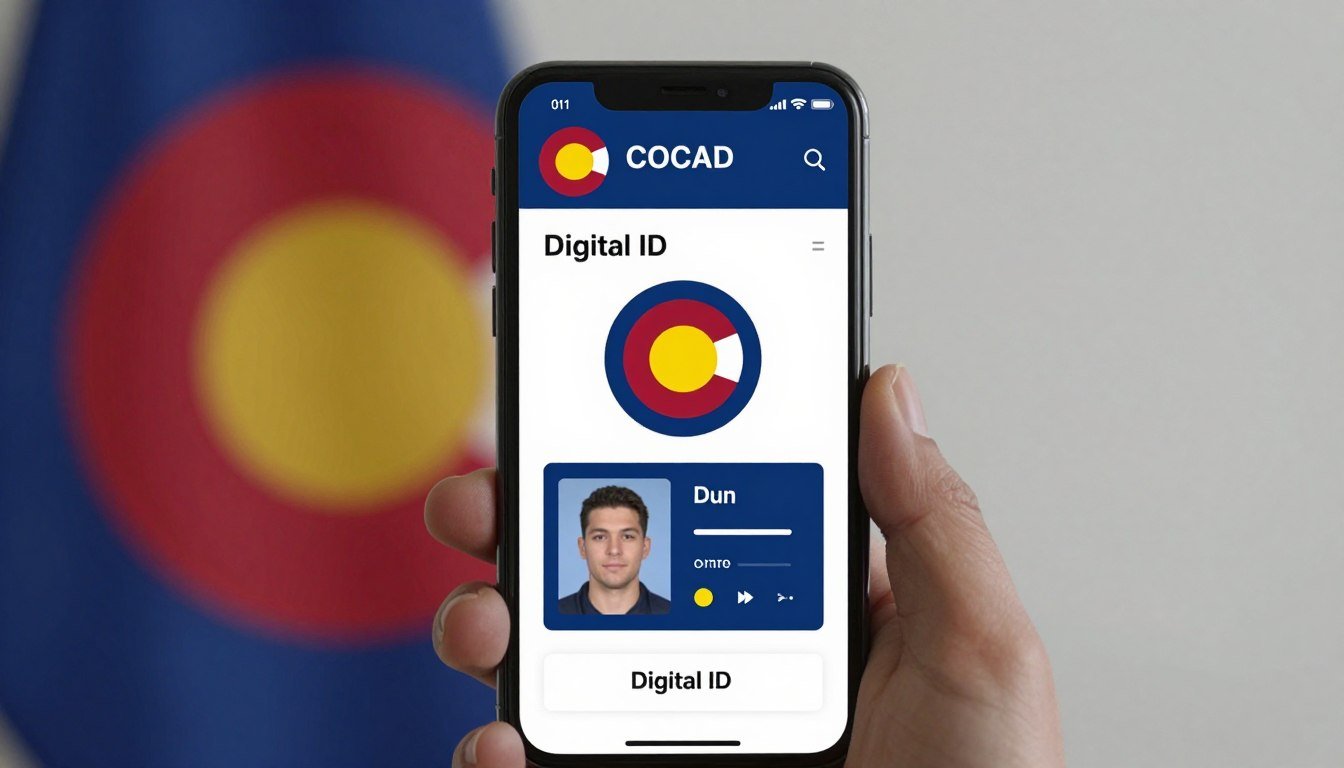
Yes, Colorado notaries can legally accept digital IDs for notarization. As of January 1, 2026, Colorado House Bill 25-1076 explicitly authorizes notaries to accept mobile digital driver’s licenses and state-issued digital identification as valid forms of identification for notarial acts. This progressive legislation places Colorado among the leading states embracing secure digital identification technology while maintaining the integrity of the notarial process.
What Is a Digital ID in Colorado?
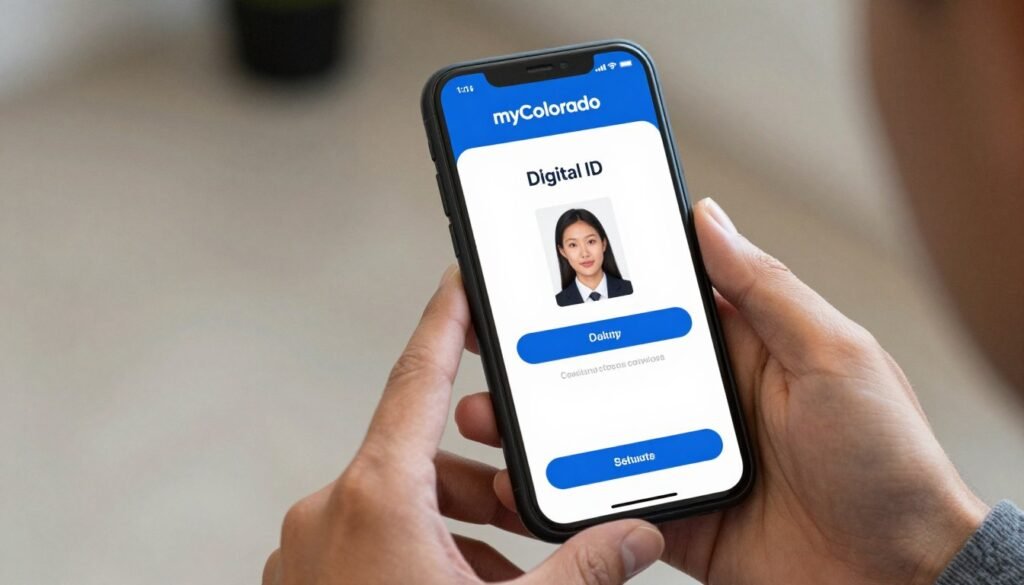
A digital ID in Colorado refers specifically to the official Colorado Digital ID available through the state’s myColorado mobile application. This is not simply a photo or screenshot of a physical license but a secure, government-verified digital version of your driver’s license or state identification card that resides on your smartphone.
Key Features of Colorado Digital ID
- Dynamic security elements including a rotating Colorado Digital ID seal
- Real-time verification through QR codes that can be scanned
- Direct connection to state DMV databases
- Same legal weight as physical identification cards
- Contains identical information to physical ID (name, photo, date of birth, ID number)
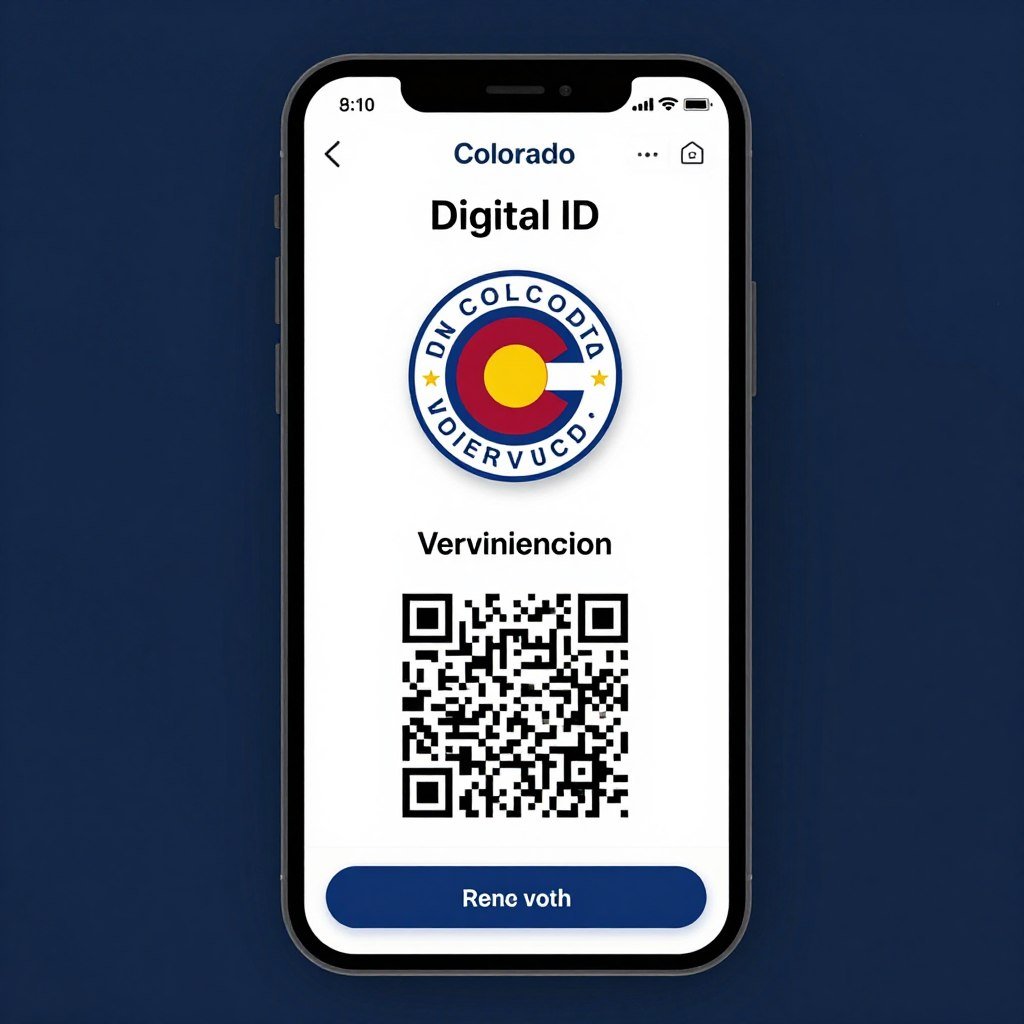
The Colorado Digital ID is more secure than traditional physical IDs in many ways, as it’s harder to forge or tamper with than a plastic card. It uses encryption and biometric verification through your smartphone to ensure the person presenting the ID is its rightful owner.
Legal Framework for Digital ID Acceptance in Colorado

Colorado House Bill 25-1076: The Legal Foundation
Colorado House Bill 25-1076, signed into law on March 14, 2025, is the legislative foundation for digital ID acceptance by notaries. This comprehensive bill modernizes identification processes across the state, with specific provisions addressing notarial practices.
“HB 25-1076 expressly authorizes the use of mobile or digital driver’s licenses as an official form of identification. It defines a ‘mobile driver’s license’ as an official electronic extension of a physical driver’s license or ID card that resides on a person’s smartphone.”
Timeline for Implementation
While the bill has been signed into law, the specific provision regarding digital ID acceptance for notarization has a delayed implementation date:
Important Date: January 1, 2026 is when Colorado notaries can officially begin accepting digital IDs for notarial acts. Until this date, notaries should continue requiring physical identification documents.
This implementation timeline gives the Department of Revenue and the Secretary of State’s office time to develop proper rules, testing protocols, and public awareness campaigns to ensure a smooth transition to digital ID acceptance.
Requirements for Notaries Accepting Digital IDs
When the digital ID provision takes effect in 2026, Colorado notaries will need to follow specific protocols to properly verify a signer’s identity using a digital ID. These requirements ensure that the integrity of the notarial act is maintained while embracing new technology.
Verification Process
- Confirm the digital ID is presented through the official myColorado app (not a screenshot)
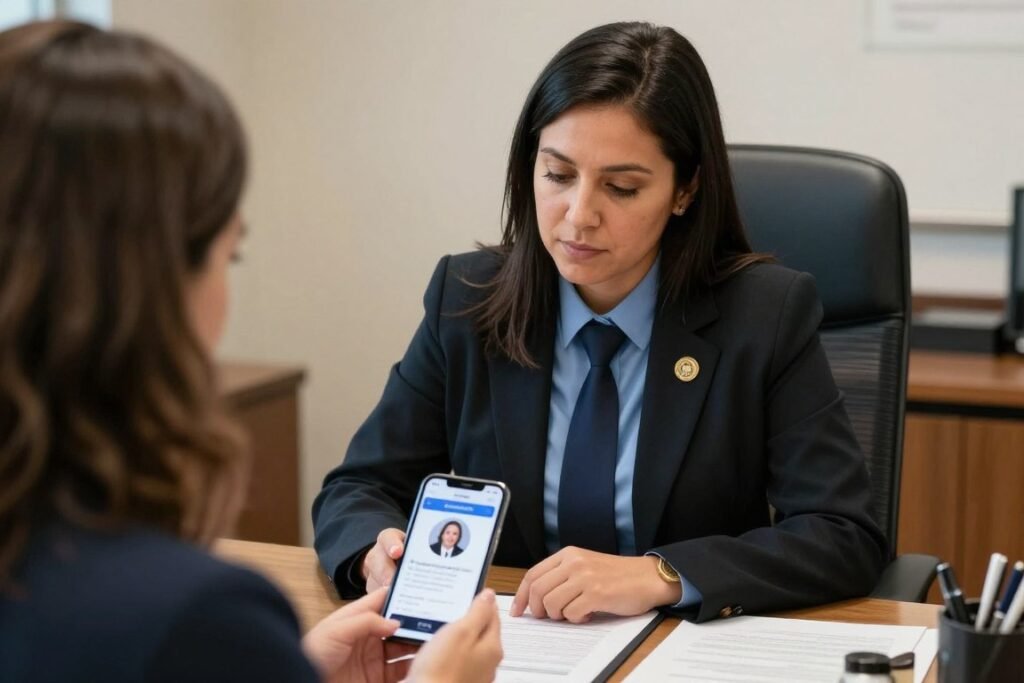
- Verify that the photo on the digital ID matches the signer
- Check that the digital ID contains all required identifying information
- Ensure the digital ID has not expired
- Ask the signer to refresh the QR code or animation to confirm it’s a legitimate digital ID
Journal Requirements
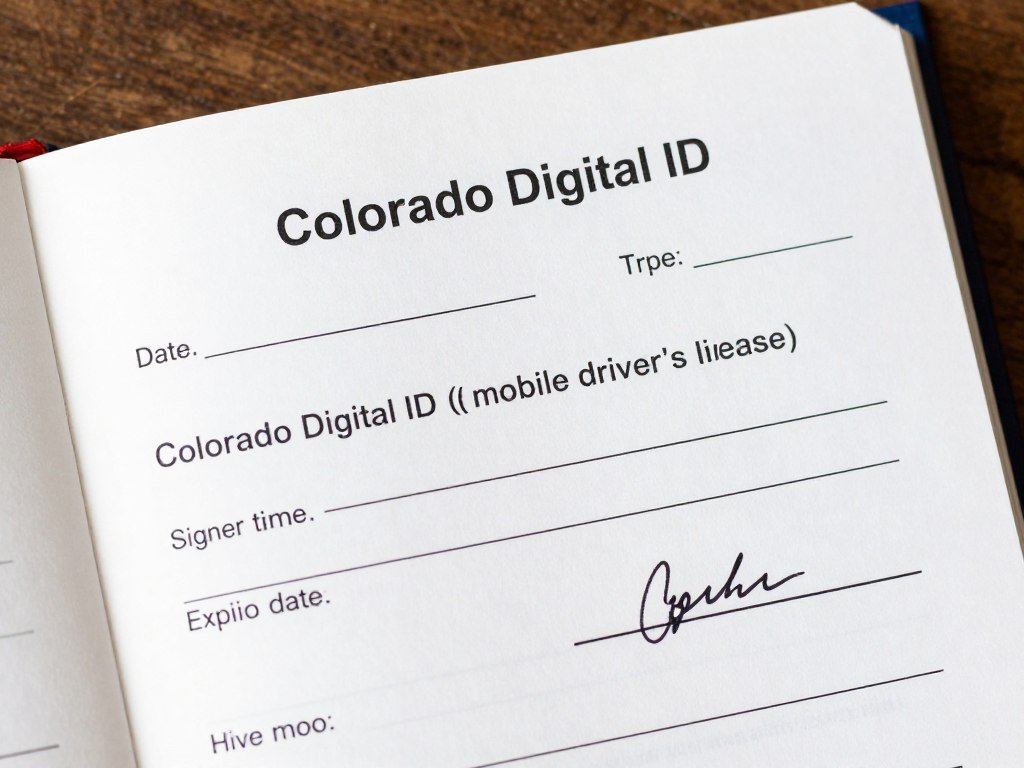
Colorado notaries must record the type of identification presented by the signer in their notary journal. When accepting a digital ID, notaries should:
- Record “Colorado Digital ID (mobile driver’s license)” as the form of identification
- Note the ID number and expiration date as with physical IDs
- Document any additional verification steps taken
- If a digital ID was rejected in favor of a physical ID, document the reason for rejection
Limitations and Discretionary Authority
Benefits of Digital ID Acceptance
- Increased convenience for clients who prefer using smartphones
- Enhanced security features that can be more difficult to forge
- Real-time verification of ID validity
- Alignment with modern technological trends
- Reduced risk of physical ID theft or loss
Potential Challenges
- Technical issues (dead batteries, app malfunctions)
- Learning curve for notaries unfamiliar with digital verification
- Possible connectivity problems in remote areas
- Not all clients will have access to digital IDs
- Transitional period confusion until full implementation
Notary Discretion
An important aspect of Colorado’s digital ID law is that it provides notaries with discretion. The law states that while “mobile identification documents may be accepted to verify an individual’s age or identity in Colorado,” an individual or business “may require a physical identification document” if they prefer.
Notary Authority: Colorado notaries maintain the right to request a physical ID if they have concerns about properly verifying a digital ID. This discretionary authority helps protect the integrity of the notarial process.
This flexibility is crucial during the transition period and in situations where technical limitations might make digital ID verification difficult or impossible.
Acceptable Forms of Identification for Colorado Notaries
| ID Type | Currently Accepted | Accepted After Jan 1, 2026 | Special Requirements |
| Colorado Driver’s License (Physical) | Yes | Yes | Must be current and not expired |
| Colorado State ID Card (Physical) | Yes | Yes | Must be current and not expired |
| U.S. Passport | Yes | Yes | Must be current and not expired |
| Colorado Digital ID (myColorado app) | No | Yes | Must be presented in official app, not as screenshot |
| Out-of-State Digital ID | No | Depends on state | Must be from a state with recognized digital ID program |
| Military ID | Yes | Yes | Must contain photo, signature, and physical description |
All acceptable forms of identification for notarization in Colorado must contain a photograph, signature, and physical description of the holder. The ID must be current and issued by a federal or state government agency.
Important: Social Security cards, credit cards, birth certificates, and student IDs are NOT acceptable forms of identification for notarial acts in Colorado, regardless of whether digital IDs are accepted.
How to Prepare for Digital ID Implementation
For Notaries
- Familiarize yourself with the myColorado app and how digital IDs appear
- Stay informed about updates from the Colorado Secretary of State regarding digital ID acceptance
- Update your notary procedures and journal templates to accommodate digital ID documentation
- Consider attending training sessions on digital ID verification when available
- Prepare client communications explaining the upcoming acceptance of digital IDs
For Clients
- Download the myColorado app and set up your Digital ID before needing notary services
- Ensure your smartphone is charged before attending a notary appointment
- Bring a physical ID as backup in case of technical difficulties
- Verify that your digital ID is current and matches the name on your documents
- Ask the notary in advance if they will accept digital ID after January 1, 2026
Frequently Asked Questions About Colorado Notaries and Digital IDs
Can Colorado notaries accept digital IDs right now in 2025?
No, Colorado notaries cannot accept digital IDs for notarization until January 1, 2026. Until that date, notaries must continue to require physical identification documents that meet current standards.
What happens if my phone dies during a notary appointment?
If your phone battery dies or the myColorado app malfunctions during a notary appointment, you will need to present a physical ID instead. It’s always recommended to bring a physical ID as backup when using digital identification.
Can a notary refuse to accept my digital ID after January 1, 2026?
Yes, the law gives notaries discretion to require a physical ID if they prefer or if they have concerns about properly verifying a digital ID. This discretionary authority helps protect the integrity of the notarial process.
Can I use a screenshot of my digital ID for notarization?
No, screenshots or photos of digital IDs are not acceptable. The digital ID must be presented in the official myColorado app where security features like the rotating seal and refreshable QR code can be verified.
Will other states accept Colorado’s digital ID for notarization?
It depends on each state’s laws. Some states like California and Ohio allow notaries to accept digital IDs that are legally issued by other states. Always check with the notary in the specific state where you need services.
Do I need internet connectivity for my digital ID to work?
The myColorado app is designed to work offline for basic ID display, but some verification features may require internet connectivity. For notarization purposes, it’s best to ensure you have connectivity for full functionality.
Future Trends in Digital Identification for Notaries

Colorado’s acceptance of digital IDs for notarization is part of a broader national trend toward digital transformation in legal and administrative processes. As technology continues to evolve, we can expect several developments in the notary industry:
Interstate Recognition
More states are likely to follow Colorado’s lead in accepting digital IDs, and interstate recognition agreements may develop to standardize acceptance across state lines.
Enhanced Security Features
Future digital IDs may incorporate additional biometric verification, blockchain technology, and other advanced security measures to further reduce fraud risks.
Integration with RON
Digital IDs will likely become more seamlessly integrated with Remote Online Notarization (RON) platforms, creating a fully digital notarial experience.
The Colorado Secretary of State’s office is expected to provide ongoing guidance and updates as the digital ID implementation date approaches. Notaries should stay informed through official channels and professional associations.
Conclusion: Embracing Digital Innovation in Notarial Practice
Colorado’s authorization of digital IDs for notarization represents a significant step forward in modernizing notarial practices while maintaining the security and integrity that are fundamental to the notary profession. Beginning January 1, 2026, Colorado notaries will be able to accept digital driver’s licenses and state IDs through the myColorado app, joining a growing number of states embracing this technology.
While this change brings new convenience and security benefits, it also requires notaries to adapt their practices and develop new verification skills. The discretionary authority granted to notaries ensures that professionals can continue to exercise their judgment in situations where digital verification may be challenging.
As we approach the implementation date, both notaries and clients should prepare by familiarizing themselves with digital ID technology and staying informed about official guidance from the Colorado Secretary of State.
Need Professional Notary Services in Colorado?
Whether you’re using a physical ID now or planning to use a digital ID after January 2026, our network of professional Colorado notaries can help with all your notarization needs.

My name is Kyle, and I am a dedicated Colorado Notary Public and legal support professional committed to providing accurate, reliable, and accessible document services. In an industry where precision is paramount, I serve as a trusted third-party witness to ensure your most important transactions are handled with the highest level of integrity.
Whether you are navigating real estate closings, estate planning, or general business agreements, my goal is to simplify the process. As a non-attorney legal support provider, I bridge the gap for clients who need professional document assistance without the overhead of a full law firm.
I am fully commissioned by the State of Colorado (Commission #20254036840). For your peace of mind, you can verify my active standing directly through the Colorado Secretary of State’s verification portal using my commission number.
Services Include:
Mobile Notary Services: Convenient on-site notarizations at your home, office, or local coffee shop.
Legal Document Support: Professional assistance with document preparation and organization (non-legal advice).
Loan Signings: Experienced support for mortgage and refinance packages.
When you work with me, you’re getting more than just a stamp—you’re getting a partner dedicated to legal compliance and exceptional client service.